Portuguese
 Spanish
 French
 Italian
 Haiti
Haiti
 Russian


Place of repentance
“I acknowledged my sin to You…”
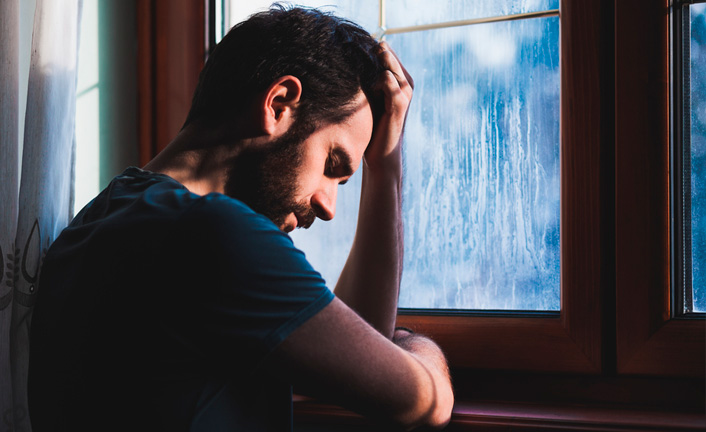
“…Have you not reserved a blessing for me?” (Genesis 27:36)
Then he insisted:
“And Esau said to his father, “Have you only one blessing, my father? Bless me—me also, O my father!” And Esau lifted up his voice and wept.” (Genesis 27:38)
He wept for blessings, but not for the Blesser.
The same happened to Saul when God rejected him because of his contempt for God’s will. He even acknowledged that he had sinned, but he only did so with the intention of being honoured because he didn’t want to lose out. However, he was not repentant for having sinned against God:
“Then he said, “I have sinned; yet honor me now, please, before the elders of my people and before Israel, and return with me, that I may worship the Lord your God.” (1 Samuel 15:30)
In verse 24, he blamed the people, and in verse 25 he even asked for forgiveness, but he did so thinking only about himself and his image before men.
Now we understand why David was forgiven, although what he did seemed much worse in human eyes:
“I acknowledged my sin to You, and my iniquity I have not hidden.” (Psalm 32:5)
David did not place the blame on the woman who was bathing naked or on anyone else. He didn’t make excuses but acknowledged that he had done wrong. He confessed his sin with a sincere heart, and cried when he received the joy of salvation again; he did not do this for blessings or position.
The devil gives people reasons to sin, and then he gives them reasons not to repent.